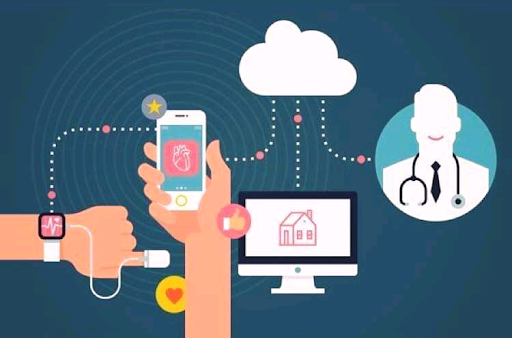
Wearable medical devices that monitor, control, track, and treat patient conditions are increasin…
Wearable medical devices that monitor, control, track, and treat patient conditions are increasingly replacing larger equipment. Wearable medical devices are connected to a patient’s body and measure clinically appropriate information. These devices resemble eyeglasses, watch, clothing, jewelry, contact lenses, etc. Data collected from wearable medical devices can be as simple as number of steps taken in a day to complex data such as ECG measurement.
Changing lifestyle of young people demands connectivity. The healthcare segment accounts for a major part of the wearable technology market, considering the innovations in several applications in this area in the last two decades. Mobile phones with wearable sensors, implanted medical devices, and home-based telehealth devices can help monitor and manage the health of a patient.
Smartphones have made tremendous development in terms of applications and can now accomplish actual diagnostic tests such as the Apple iPhone glucose test. Withings is another company that has collaborated with Apple to introduce a device that actually monitors blood-pressure on the go. Moreover, wearable medical devices for athletes who wish to monitor their performance and condition are available in the market. Similarly, such devices for continuous medical monitoring for outpatients with chronic medical co...